
Composite manufacturing since 2009
Innovative solutionsInnovative customers
What is your need? What kind of skills and resources are you seeking right now to take you further in your design or production process? Light weight solutions, composite solutions, composite design, prototypes or serial production?
About us
From industrial concern to focused development
Ljungby Komposit was established during 2009 as a natural hiving-off in conjunction with Polytec Composites moving the majority of its manufacturing abroad.
In turn, Polytec Composites can trace its roots right back to the 1950s via different ownership constellations. By virtue of this, Ljungby has a long tradition of composite manufacturing and a lot of this competence and professional experience has been integrated into Ljungby Komposit.
Apart from having a range of manufacturing processes that cover most needs, we also have thorough experience of tool production, everything from complicated steel tools for form pressing larger quantities, to plastic tools for cost effective manufacturing of low series production.
We also contribute with advice, design and suggestions for material choice based on the requirements of the product's performance. And since we use different processes, we can objectively help customers choose the right approach for their product.
What we do
From first sketch to running deliveries
Sometimes the collaboration starts by means of us producing a prototype. Sometimes there is a finished CAD drawing. We interact the whole way up to the fully tested tool.
- 01 Prototypes At this stage we always ask the question: what shall the prototype be used for? This governs the choice of prototype tool, not least because the spread in terms of cost can be very large.
- 02 Series production Once we have run a zero series and all parameters are approved by the customer, the unit goes into production. We accept no quality deviations.
- 03 Tooling and production Thorough experience of tool production, everything from complicated steel tools for form pressing larger quantities, to plastic tools for low series production.
- 04 Fulfilment Fulfilment for us means that we have control over the delivery of the units so that they reach exactly the right destination on time, and over the information flow.
Processes
Efficient processes with great flexibility
There are many different types of fibre, many different plastics, different curing methods, different forming technologies, different ways of producing tools. In every situation it is important to evaluate, calculate and choose the combination of material and method depending on the objective.
-
VARI Vacuum assisted resin injection Dry fibre is laid up in a closed tool and the resin is injected while the air is evacuated.
The method is also called RTM Light. Dry fibre is laid up in a tool which is then closed, and mould halves produced in composite material are used here.
The resin is injected into the fibre filled cavity using a pump that simultaneously mixes the two components of the thermosetting plastic. The air is evacuated with a vacuum pump to give optimal distribution inside the shell.
The advantage is that tooling cost is kept considerably lower than with solid mould halves in metal. Gelcoat is usually sprayed onto the tool surfaces before the fibre is laid up. With coloured gelcoat, painting can be replaced, and the gelcoat can be mixed in any colour.
Suited for Prototypes and series where tooling cost needs to stay down
-
RTM Resin transfer molding The same principle as VARI, but with solid tool halves in metal.
RTM is equivalent to VARI in terms of the process, but instead of composite moulds, solid tool halves in metal are used.
This gives better control of material thickness and dimensional accuracy. The tool can also be tempered, which reduces cycle time.
Suited for Series with demands on dimensional accuracy and shorter cycle time
-
SMC Sheet mold compound Pre-impregnated glass fibre is pressed between heated steel tools under high pressure.
Prepreg, meaning pre-impregnated glass fibre usually with polyester, is delivered ready on rolls. The material is cut according to a specified pattern and pressed between heated steel tools under high pressure.
SMC pressing is a very stable process where every cycle is easy to monitor and log. The surface is easy to paint and dimensional stability is good. Other fibres can be used, but then under the term hot pressing.
Suited for Larger series with demands on surface finish and dimensional stability
-
Cold pressing Cold pressing The fibres are laid up in an open tool and impregnated manually before the tool is closed in a press.
The fibres are laid up in an open tool and impregnated manually before the tool is closed in a press.
The method suits prototypes and short series. Emission to the surroundings is not insignificant, unlike the methods that take place in closed tools.
Suited for Prototypes and short series
-
Hand lay-up Hand lay-up An open process with low tooling investment.
Hand lay-up is suited above all to short series and prototypes.
It is an open process with low tooling investment, which makes it useful when the volume is too small to justify a metal tool.
Suited for One-off manufacturing, prototypes and very short series
System supplier and complete solutions
- Robotic water cutting Work area 3500 × 2000 mm. Adapted for parts with a large surface area, such as injected body parts and volume products in SMC.
- Hydraulic press 1400 tonnes of press force, a table size of 2500 × 2150 mm and an opening of 1900 mm.
- CNC router CNC-controlled 5-axis milling machine for large parts, 4800 × 2000 mm.
How we work
Six steps from enquiry to running delivery
Every step has a clear end point: an approved requirement specification, a tested tool, an approved zero series.
- 01
Analysis
At this stage we always ask the question: what shall the prototype be used for? And what are the quality requirements for your particular prototype? This governs the choice of prototype tool, not least because the spread in terms of cost can be very large for the prototype alone.
- 02
Development support
Ljungby Komposit is not a design company. However, we are specialists in composites and our role is to act as development partner when it comes to composite solutions. We go through the documentation and any drawings or CAD files and discuss your choice of material.
- 03
Prototype
The complete prototype is checked so that it fulfils all parts of our agreed requirements specification before delivery. We also make sure that it actually is delivered in synch with your product development plan.
- 04
Optimisation
An effective series production always starts by optimising the conditions for it. We interact the whole way up to the fully tested tool. Once we have run a zero series and all parameters are approved by the customer, the unit goes into production.
- 05
Production
Tool and process are tested and approved. The quality-assured and environmentally-assured production starts and continues in accordance with the agreed delivery schedule. We accept no quality deviations, you as consignee should feel fully secure about the delivery coming from us.
- 06
Fulfilment
Fulfilment for us means that we have control over the delivery of the units so that they reach exactly the right destination on time. It also means that we have control over the information flow. We also carry out regular customer satisfaction surveys.
Case studies
Parts inside products you already know
Cargo systems in the Boeing 737 and 757, battery covers for the Volkswagen E-Golf, air ducts in Swedish armed forces vehicles.
-
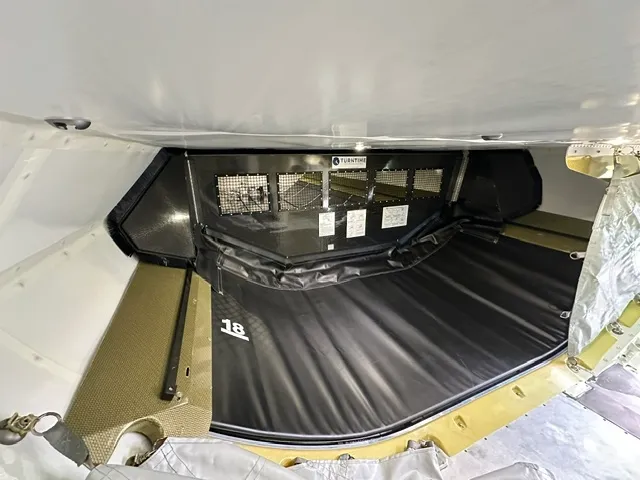 Aircraft industry Turntime Technologies Cargo systems for Boeing, Airbus & Embraer Structural parts with carbon fibre and Kevlar laminate that significantly reduced the overall weight of the loading system.
 -
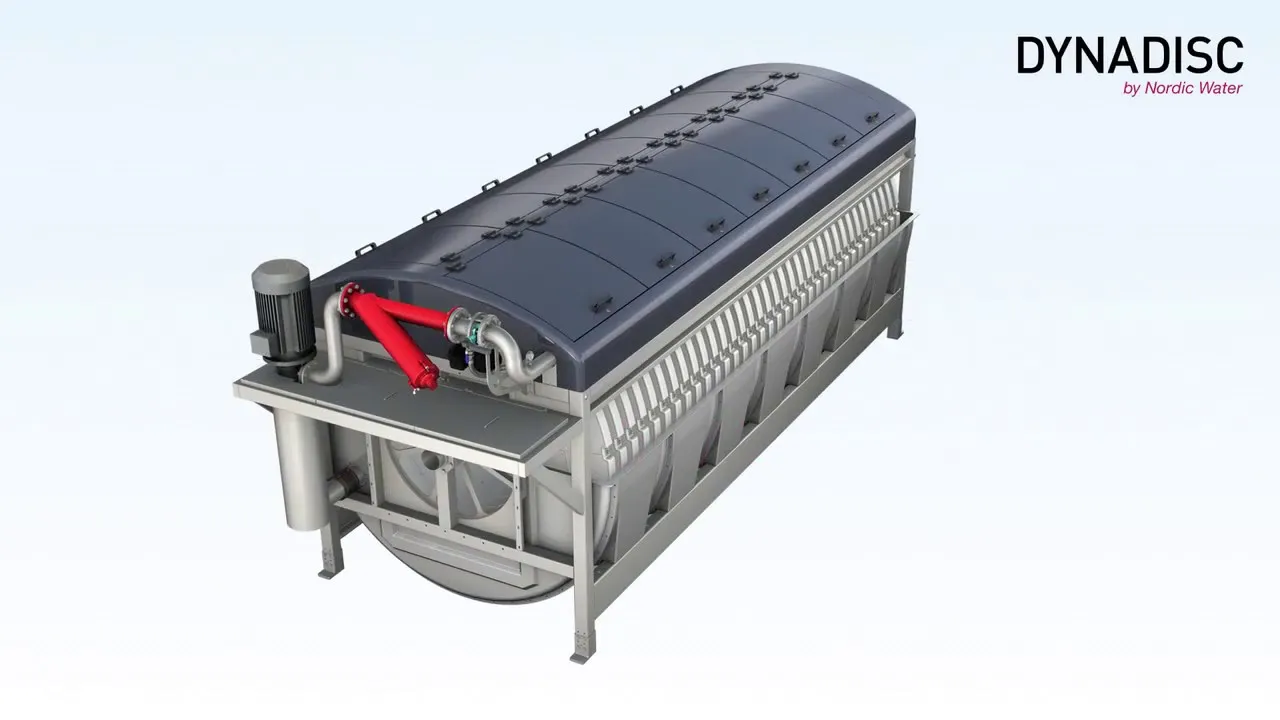 Other industry Nordic Water Level tank for the DynaDisc Manufacturing moved from China to Ljungby, with shorter lead times and a modular tank that carries the entire filtration system.
 -
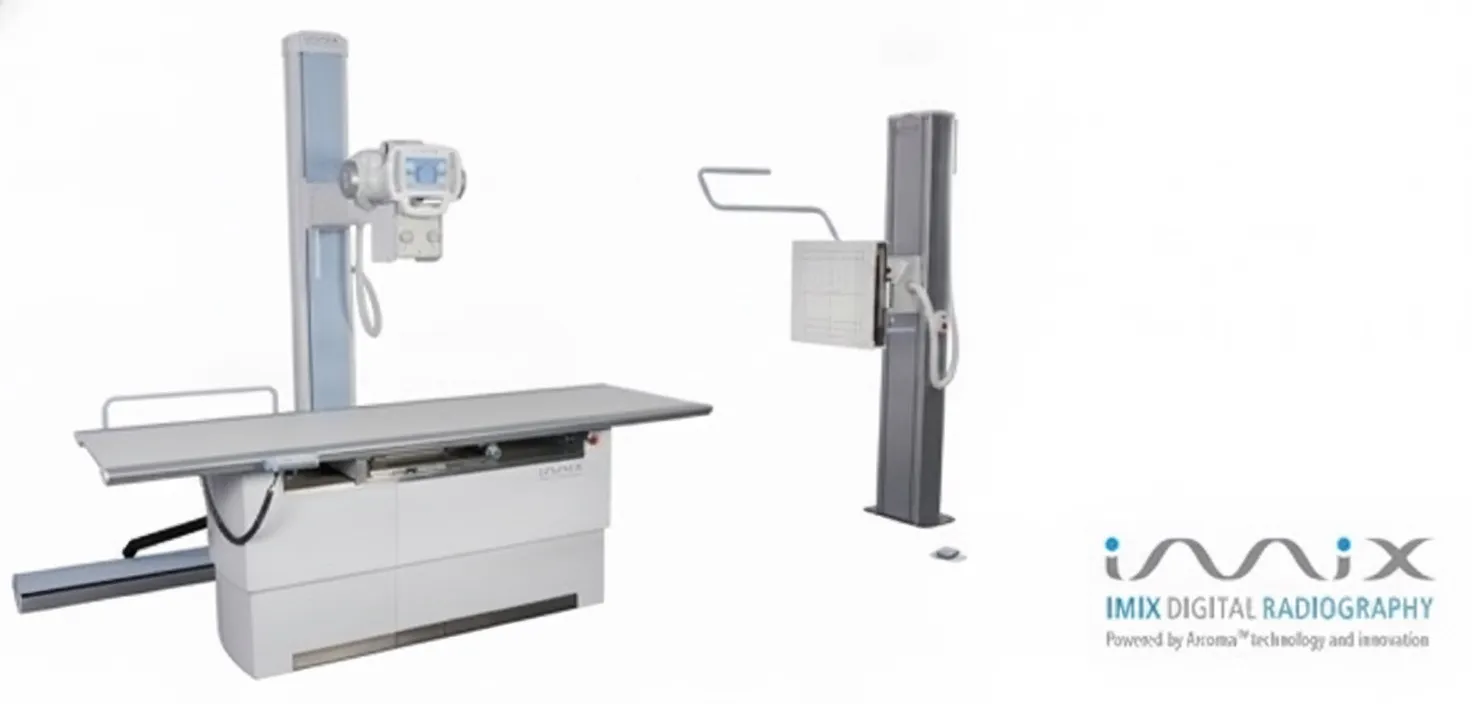 Health care Arcoma Protective covers for X-ray tables Fire retardant covers for height adjustable X-ray tables, with a tool surface prepared for interior design quality.
 -
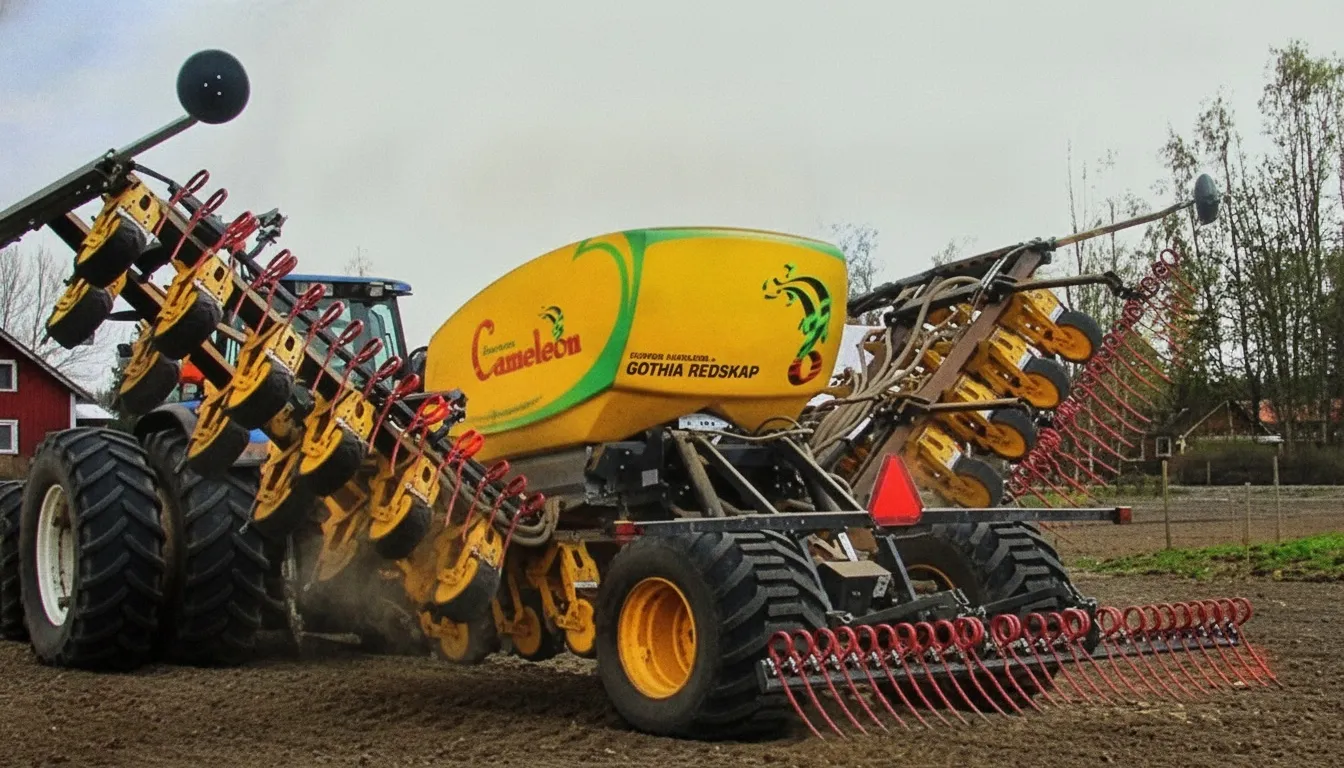 Industrial vehicles Gothia Redskap Tank moulded in a single piece A vacuum injected tank where weight was decisive: a lighter tank means lower ground pressure.
 -
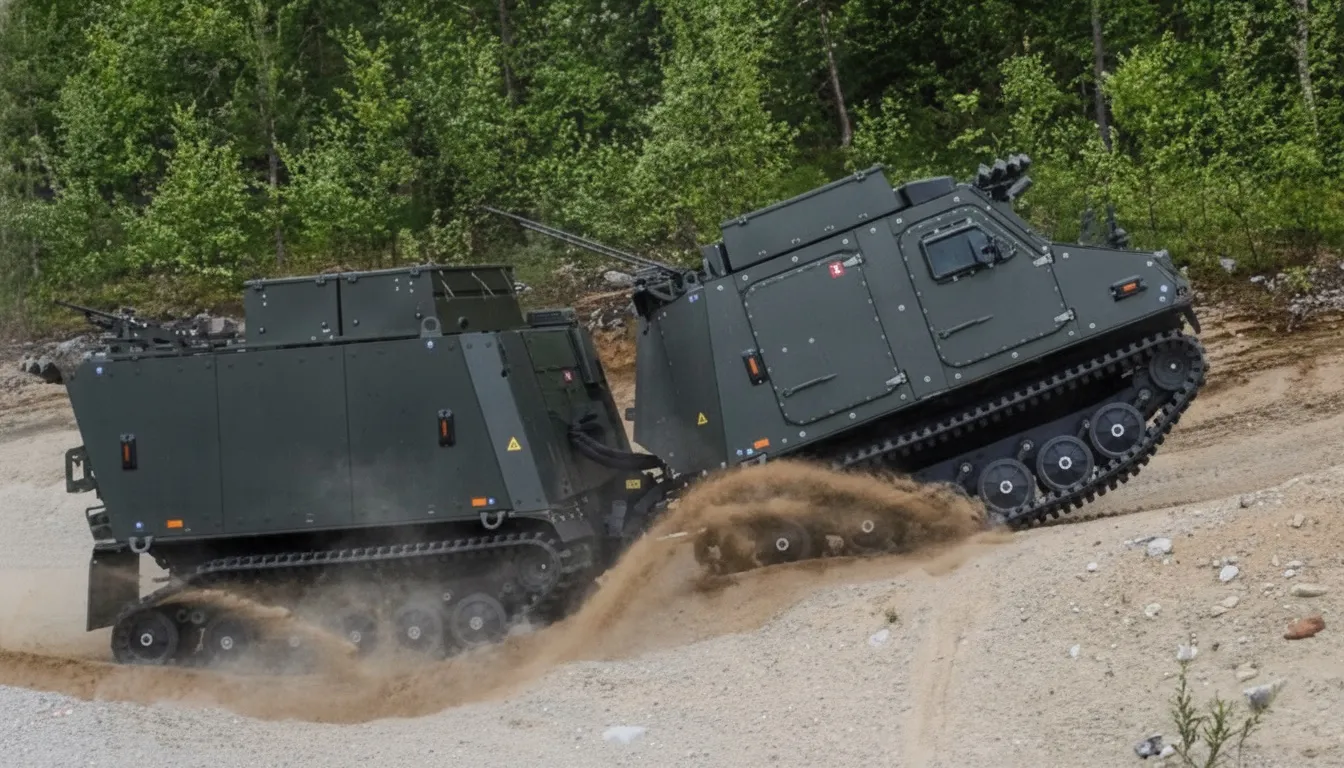 Defence vehicles BAE Systems Hägglunds Air ducts and fan cover for the BV 410 Series delivery of composite air ducts for the Swedish armed forces' latest all terrain vehicle, moulded in one process step.
 -
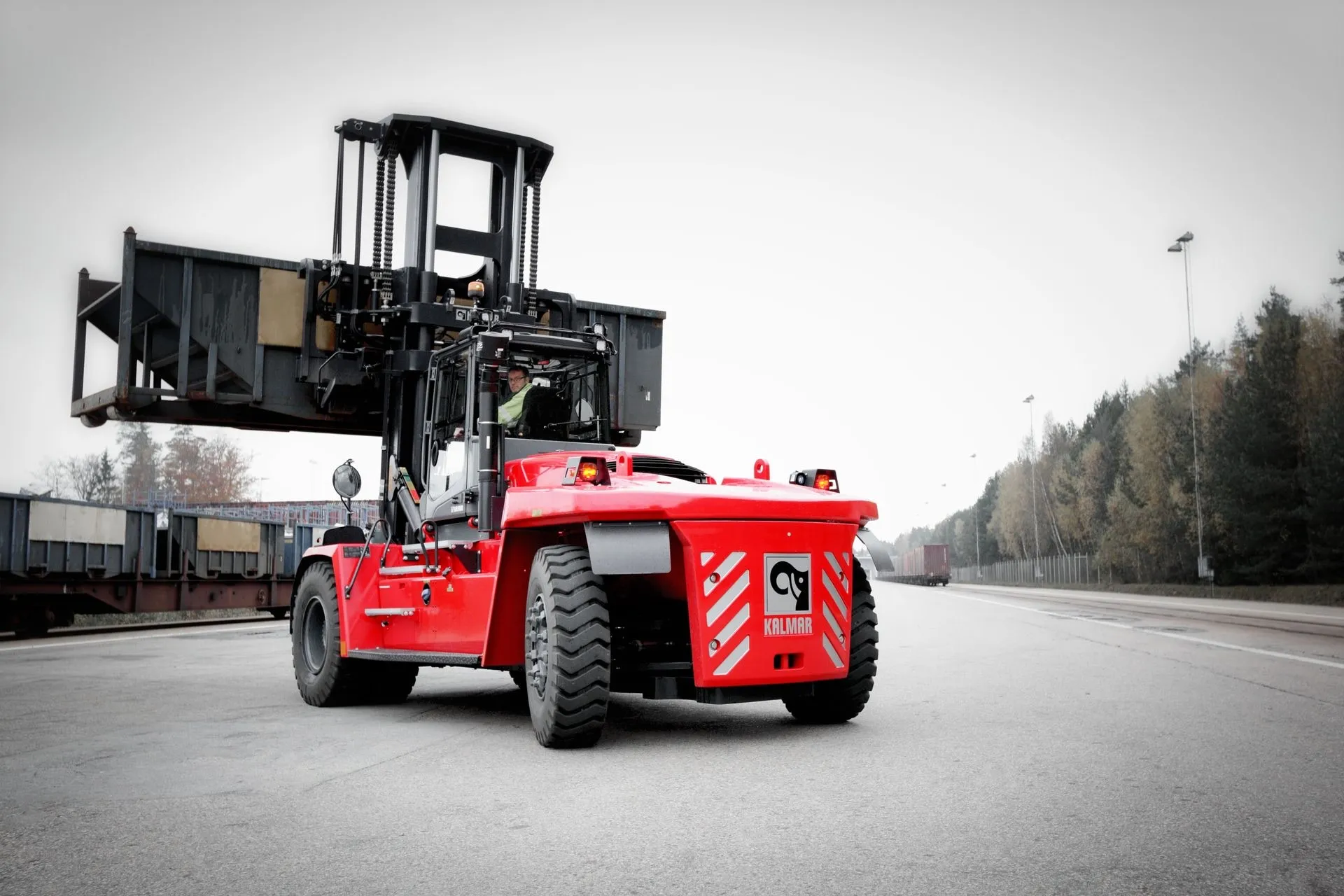 Industrial vehicles Kalmar Composite engine hood for a forklift A project where we came in early and could shape the composite design. The result is service friendly and light.
What customers say
Feedback from long collaborations
-
Working with Ljungby Komposit has improved our competitiveness, partly because of the logistical efficiency between us but also because of the total cost and quality stability that Ljungby Komposit has delivered.
Kristian Hermansson Supply Chain Manager, Turntime Technologies AB
-
Ljungby Komposit is a solution-oriented company that has helped us increase our delivery performance and realise our innovative designs in a cost-effective way.
Niklas Brandmyr Director of Operations, Nordic Water
Frequently asked questions
What customers usually want to know
-
We only have an idea and no drawing. Is it too early to get in touch?
No. Think innovative solutions and talk to us at an early stage in your product development work. Ljungby Komposit is not a design company. However, we are specialists in composites and our role is to act as development partner when it comes to composite solutions. We go through the documentation and any drawings or CAD files and discuss your choice of material, or proposals for material if it is undecided.
-
How do you know which manufacturing method suits our product?
There are many different types of fibre, many different plastics, different curing methods, different forming technologies and different ways of producing tools. In every situation it is important to evaluate, calculate and choose the combination of material and method depending on the objective. And since we use different processes, we can objectively help customers choose the right approach for their product.
-
Do you produce the tooling yourselves?
Yes. Apart from having a range of manufacturing processes that cover most needs, we also have thorough experience of tool production, everything from complicated steel tools for form pressing larger quantities, to plastic tools for cost effective manufacturing of low series production. If you know that there will be series production at a later stage then a more expensive prototype tool can result in a less expensive series tool.
-
Can you take both the prototype and the series that follows?
Yes. Sometimes the collaboration starts by means of us producing a prototype. Sometimes there is a finished CAD drawing. We interact the whole way up to the fully tested tool. Once we have run a zero series and all parameters are approved by the customer, the unit goes into production.
-
Can parts be coloured without painting?
Yes, in the processes that use gelcoat. Usually the gelcoat is sprayed on the tool surfaces before the fibres are laid up in the tool. By using coloured gelcoat it is possible to replace painting, and the gelcoat can be mixed in any colour. That is how we handle colour variation even at small volumes.
-
Can you meet fire retardant material requirements?
Yes, today we manufacture parts in fire retardant material to meet various fire safety requirements. Such requirements are common both in the hospital sector and in the interiors of various transport vehicles, for example aircraft and trains. The exact requirements and standards (for example UL94 or EN 45545) vary, but this can be handled through the choice of plastic in the laminate.
-
Where do you deliver?
Ljungby Komposit currently delivers directly to customers all over the world, mainly within Scandinavia and the EU, to industries such as the aircraft industry, the defence industry, the energy sector, the automotive industry and OEM manufacturers of industrial machinery.
-
How large parts can you handle?
Since we build moulds based on the customer's needs, the limits are largely set by imagination and by practical handling in the building and lifting equipment. In terms of machinery we have water cutting equipment with a work area of 3500 x 2000 mm, a hydraulic press with a press force of 1400 tonnes and a table size of 2500 x 2150, and a CNC router of 4800 x 2000 mm.
Think innovative solutions
Talk to us at an early stage in your product development work. Then will both of us feel much better, because in the end of the day this is always a matter of costs, investments and pay-off for both parties. Welcome!